
What Is an AI Agent? A Guide for Businesses
AI is moving beyond chatbots that only answer questions. The next wave — AI agents — can reason through a goal, use tools, and complete real work with little human input. This guide explains what an AI agent is, how it differs from a chatbot, real use cases, and what it costs to build one.
What Is an AI Agent?
An AI agent is a software system — usually powered by a large language model (LLM) like GPT or Claude — that can plan, make decisions, use tools, and take actions to reach a goal, instead of just answering a single prompt. It breaks a goal into steps, decides which tool or API to use, remembers context, and self-corrects. In short: a chatbot responds, an agent acts.

AI Agent vs Chatbot: What's the Difference?
A chatbot follows scripts and answers one question at a time — it talks. An AI agent is goal-driven and autonomous — it plans, chooses tools, calls APIs, updates your systems, and completes a task end to end. For example, a chatbot can tell a customer their order status; an agent can look up the order, process a refund, update the CRM, and email the customer on its own.
How Do AI Agents Work?
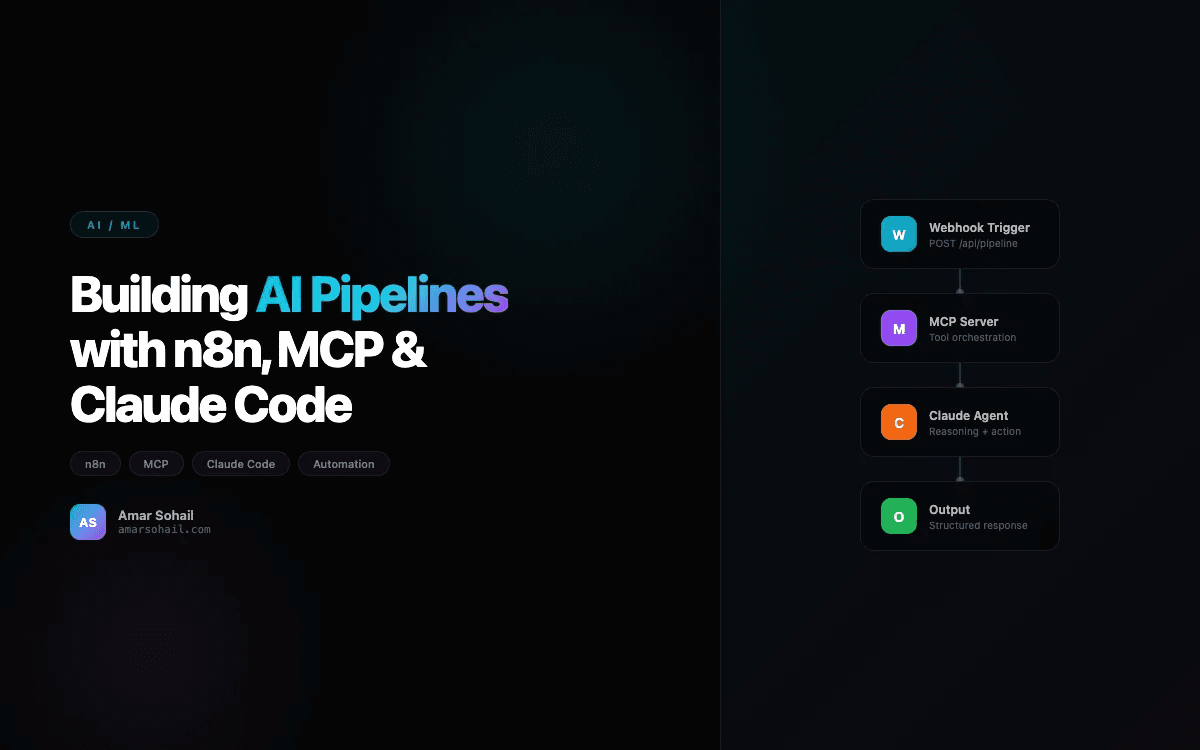
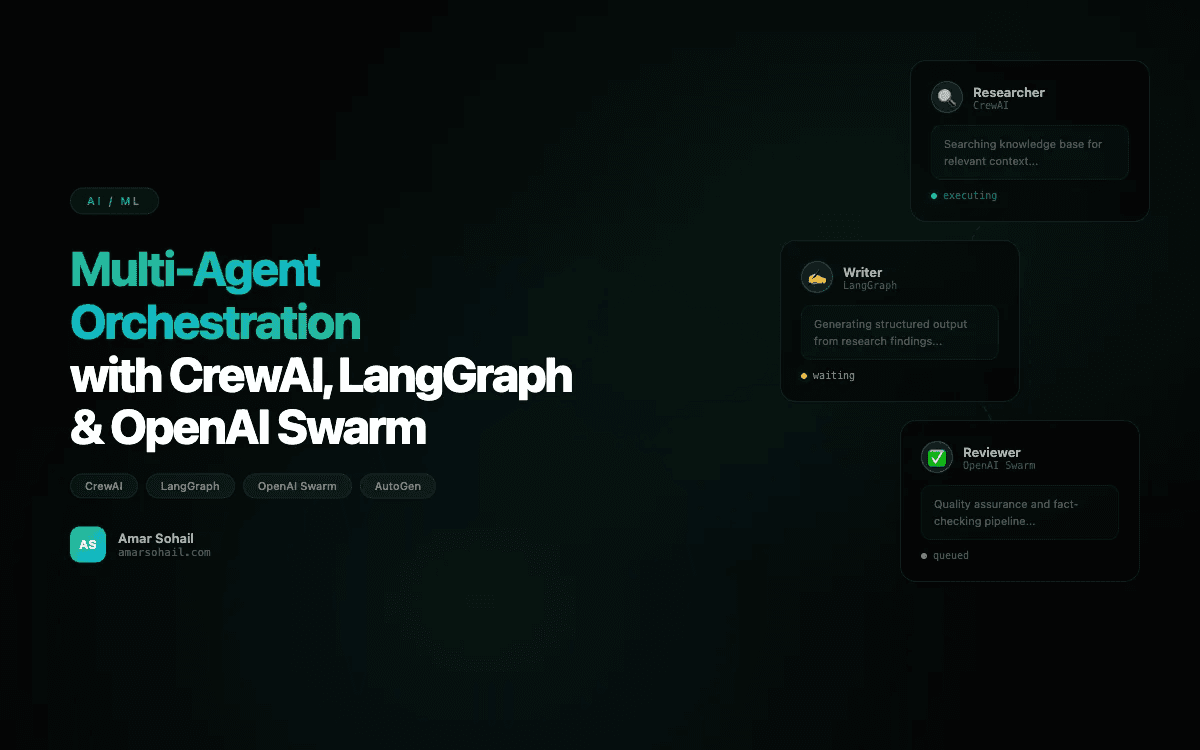
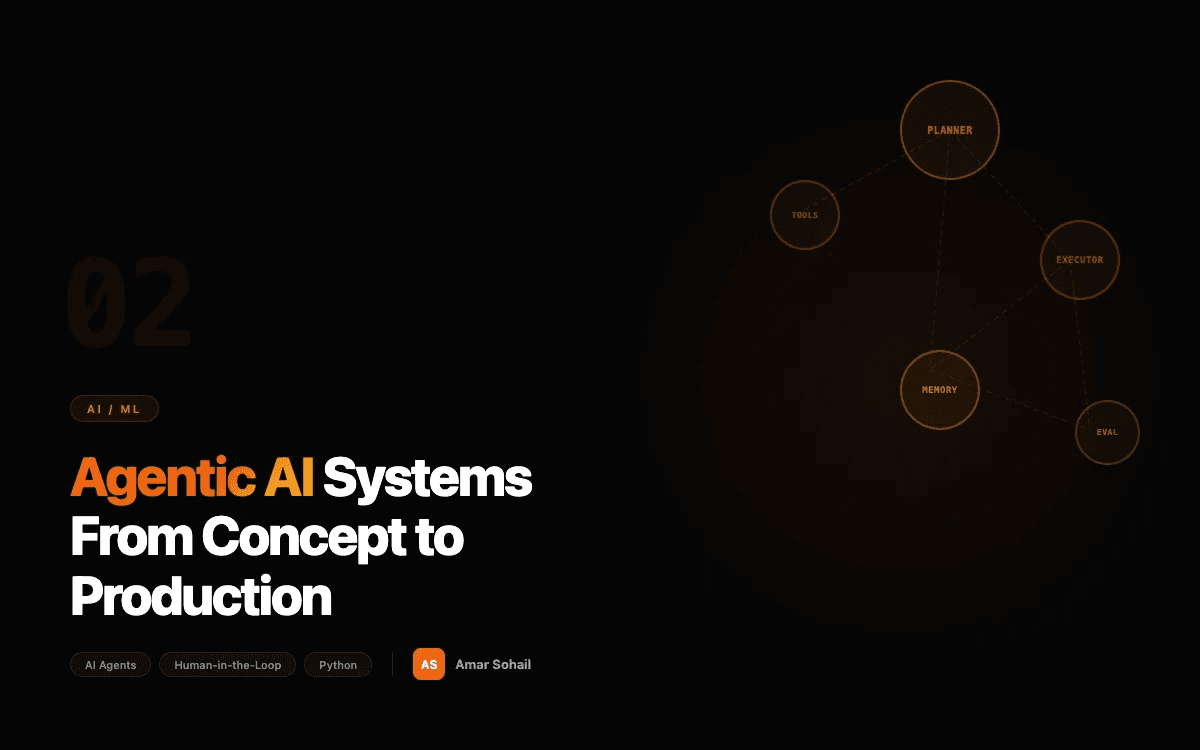
Most production AI agents combine four building blocks: a reasoning model (the LLM "brain"), tools and APIs to take action, memory to hold context across steps, and guardrails and monitoring for safety. Frameworks like LangGraph, CrewAI and AutoGen orchestrate these pieces, often with RAG (retrieval-augmented generation) to ground the agent in your own data.
Real Business Use Cases for AI Agents
AI agents are already delivering value in customer support (resolving tickets), sales and CRM (qualifying leads, drafting follow-ups), internal knowledge assistants (answering staff questions from your docs), research and data tasks, and back-office operations automation.
How Much Does It Cost to Build an AI Agent?
Cost depends on complexity, integrations and data readiness. As a rough guide, a focused proof of concept takes 2–4 weeks, while a production-ready agent usually runs 6–12 weeks. The best first step is a short discovery sprint to scope the highest-ROI use case before a full build.
Getting Started with AI Agents
AI agents are one of the highest-leverage ways to automate real work in 2026 — but the gap between a flashy demo and a reliable production system is engineering discipline: integrations, guardrails, testing and monitoring. If you're exploring AI agents for your business, book a free consultation or learn more about our AI agent development services.
Frequently Asked Questions
What is an AI agent in simple terms?
It's software that can plan and complete tasks on its own — using an LLM to reason and tools to act — instead of just answering questions.
Is an AI agent the same as ChatGPT?
Not quite. ChatGPT is a chat interface. An AI agent uses a model like GPT or Claude as its brain, but adds planning, tools, memory and actions to complete real tasks.
How long does it take to build an AI agent?
A proof of concept usually takes 2–4 weeks; a production system 6–12 weeks, depending on integrations and data.
Build AI Agents with Digital Innovation
AI agents are quickly becoming a core part of how modern businesses automate work, cut costs and scale their teams — and the companies that adopt them early, with the right engineering partner, gain a real advantage.
At Digital Innovation, we design, build and deploy production-grade AI agents for teams across the US, Europe and the Middle East — grounded in your data, integrated with your systems, and shipped with the guardrails and monitoring real businesses depend on.
Whether you are exploring your first proof of concept or scaling a multi-agent system, our team can help you scope the highest-ROI use case and ship it fast.
Ready to get started? Book a free consultation and let’s put an AI agent to work for your business.
Explore Our Services
Ready to turn these ideas into working software? Our engineering team can help.
AI Agent Development
Autonomous AI agents that automate workflows and scale your operations.
Learn more →Generative AI Development
Custom LLM copilots, content engines and RAG systems built for production.
Learn more →AI Enterprise Integration
AI that plugs into your existing ERP, CRM and procurement stack — integration, not rip-and-replace.
Learn more →All AI & Software Services
Explore our full range of AI, web, cloud and custom software engineering.
Learn more →Start a Project
Book a free discovery call and scope the highest-ROI build for your business.
Learn more →